
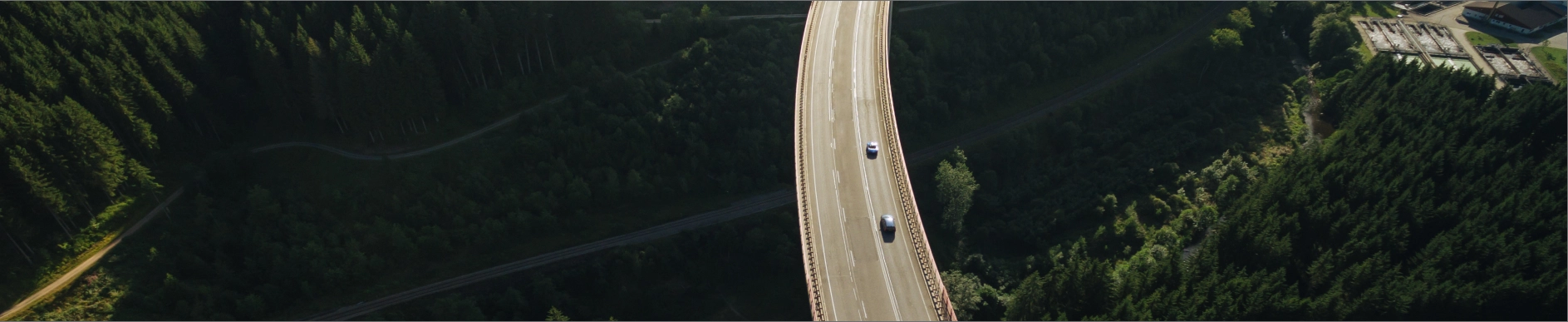
Environmental protection and Code of Conduct
Use less. Use more wisely. Systematically reduce our environmental impact.
Transport and logistics are activities that cannot be carried out without energy, fuel and resources. At MEXEM, we focus on what we can have the greatest real impact on: the efficient use of fuel and our fleet, reducing energy consumption, increasing energy production from renewable sources, and the rational use of resources.
We do not make claims about results that we cannot measure. We measure, implement measures and expand the scope of the data on which we base our assessment of their effectiveness. In 2026, we began preparing our new environmental programme for the coming years, setting targets to be achieved by 2030.
MEXEM 2030: our environmental targets:
26.0 l / 100 km: target average real-world fuel consumption for the lorry fleet by 2030
+10% new, safer and more efficient vehicles in the fleet each year
55 per cent of electricity to come from our own solar panels
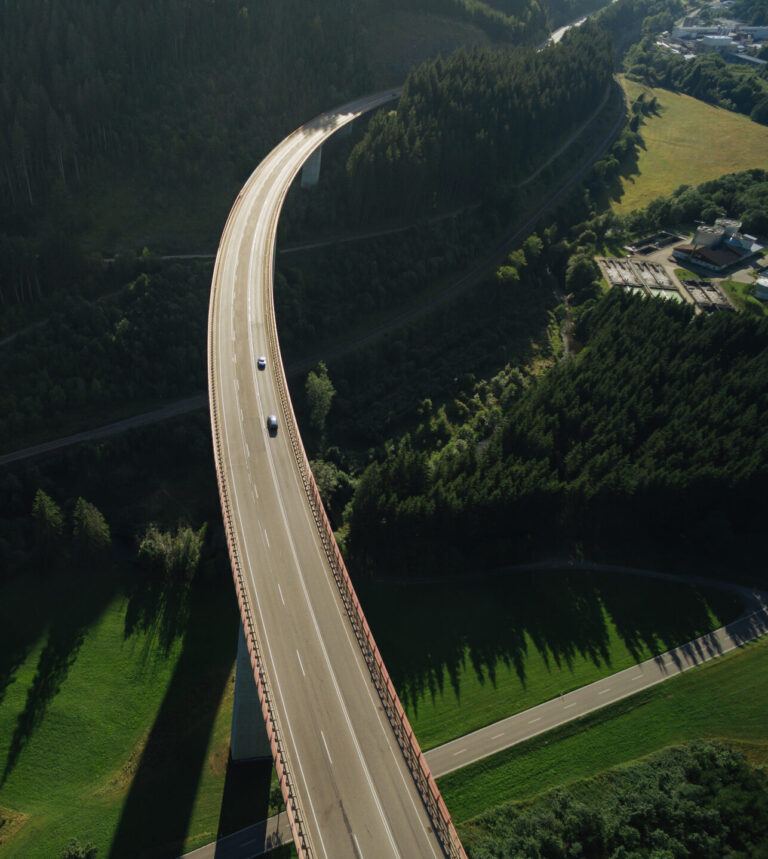
Transport efficiency begins before the journey starts
Our primary focus in reducing the environmental impact of transport is to improve the efficiency of every journey. We monitor the fleet’s actual fuel consumption and drivers’ driving styles using telematics data. The maximum speed of vehicles has been limited to 85 km/h, and we equip new vehicles with camera systems designed to reduce average fuel consumption.
At the same time, we are systematically renewing our fleet. In 2026, we purchased 17 new vehicles with a declared fuel consumption of approximately 23 l/100 km, compared to the current actual average for our lorry fleet of 28.5 l/100 km. Vehicle replacement is one of the most important elements of our fuel efficiency improvement programme. We follow the principle of replacing approximately 10 per cent of our lorry fleet each year with vehicles that offer lower fuel consumption and lower emissions.
We are also analysing the potential for using low- and zero-emission vehicles. Tests of electric tractor units carried out under real-world operating conditions have enabled us to assess not only energy consumption, but also the impact of temperature, range, charging time and work organisation on the actual efficiency of transport. We will develop this part of our fleet gradually, in line with advances in technology, charging infrastructure and the availability of solutions suited to the specific nature of our transport operations.
We are generating more of our own energy and improving our energy management
In 2026, our photovoltaic installations are forecast to generate 119.6 MWh of electricity. This represents approximately 27 per cent of total electricity consumption at our facilities and main branches: Miastko and the Logistics Centre in Pruszków. In 2027, we plan to commission a further 50 kWp photovoltaic installation at MEXEM in Pruszków. This investment will almost double the photovoltaic energy generation capacity at this site compared with 2026.
At some of our sites, we are trialling the combined use of a photovoltaic system and energy storage. The next step is to transition to a dynamic energy procurement model, which will allow us to better align the timing of energy consumption and use with market conditions and storage capacity.
At the Logistics Centre in Pruszków, energy from the system is currently stored and settled under a net-metering scheme: for every 1 kWh fed into the grid, we receive 0.7 kWh in return. Because our operator takes over the role of energy storage on our behalf, we can use the energy at a later time without having to invest in an energy storage facility before its construction becomes economically viable. We can therefore focus on developing our own generation capacity and analysing our actual consumption profile.
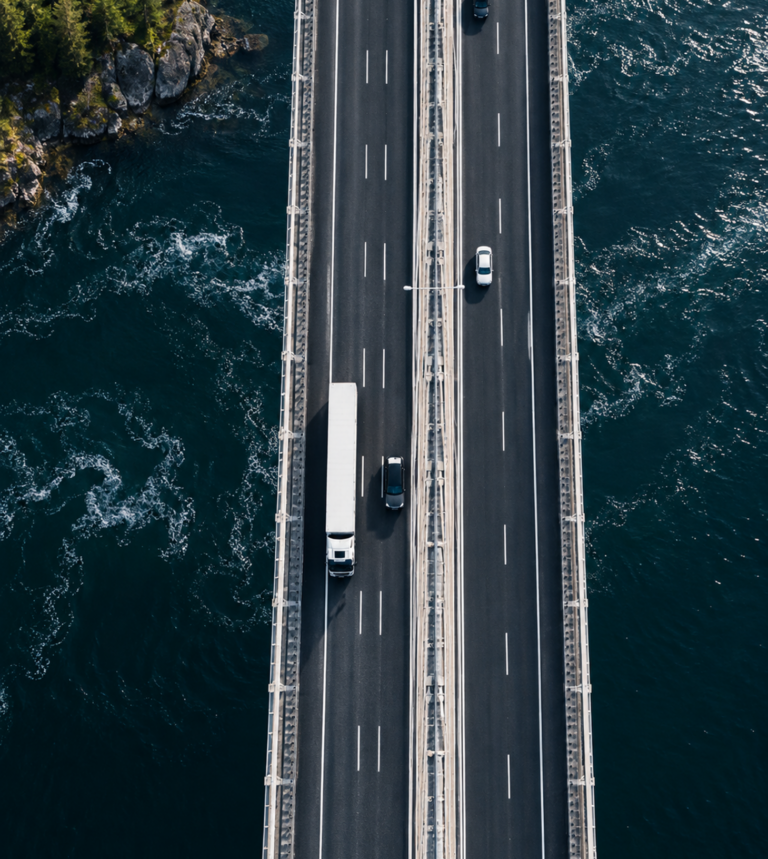

We are modernising our infrastructure to reduce energy losses, and we are minimising material consumption and waste generation
For years, we have been modernising MEXEM’s infrastructure with a view to reducing energy consumption and heat loss. At the Pruszków Logistics Centre, we have modernised the heating and lighting systems, installed LED lighting and motion sensors, and between 2025 and 2026 we replaced a total of 9 out of 36 loading bays with better-insulated ones (with a higher lambda insulation coefficient). The infrastructure modernisation programme will continue in line with an assessment of the technical and energy potential of individual components.
We carry out tyre regrooving where it is technically justified and complies with safety requirements. In practice, over 80 per cent of the tyres we use can be safely regrooved. As a result of this procedure, we extend the service life of tyres by approximately 25 per cent, which significantly reduces material consumption and the volume of waste generated.
At selected sites, we already treat 100% of the wastewater generated. At all our properties, we sort waste and hand it over to authorised recipients in accordance with the applicable requirements.